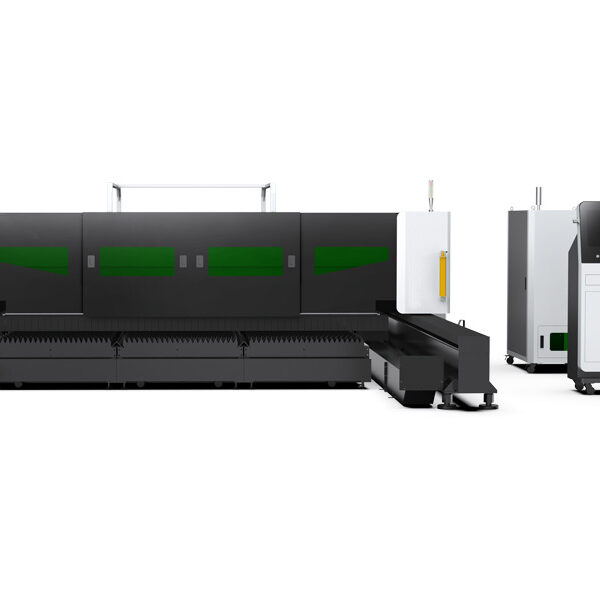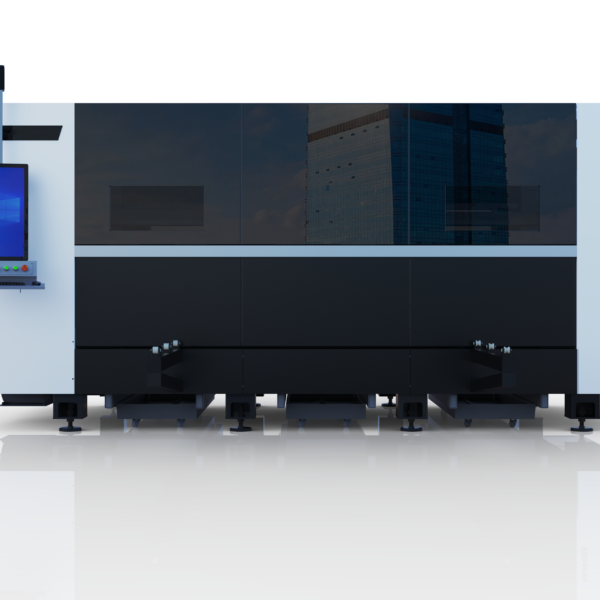
GAP Series Fully Automatic Fiber Laser Cutting Machine in Mass Production

GAP Series Fully Automatic Fiber Laser Cutting Machine in Mass Production
1. Integration with Industry 4.0

2. Advanced Robotics

3. Enhanced Flexibility

4. Energy Efficiency

5. Improved User Interfaces

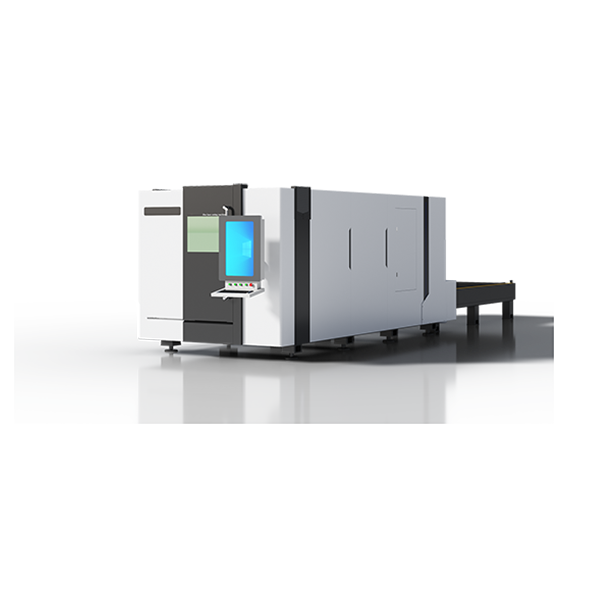
GAP Series

                         Fully Automatic Fiber Laser Cutting Machine in Mass Production

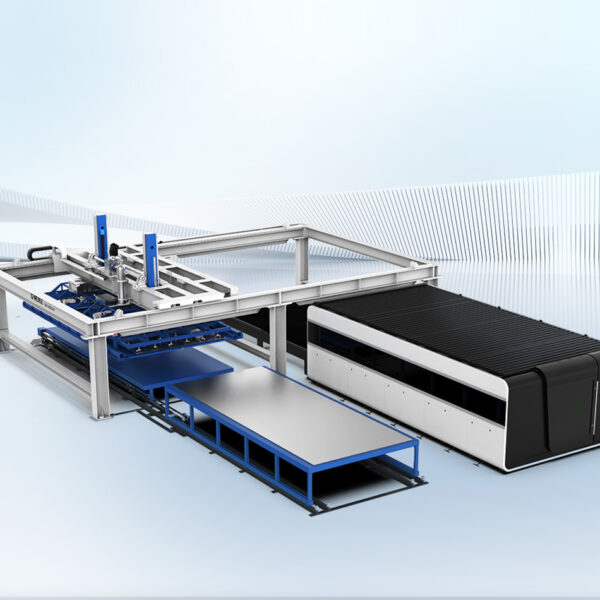
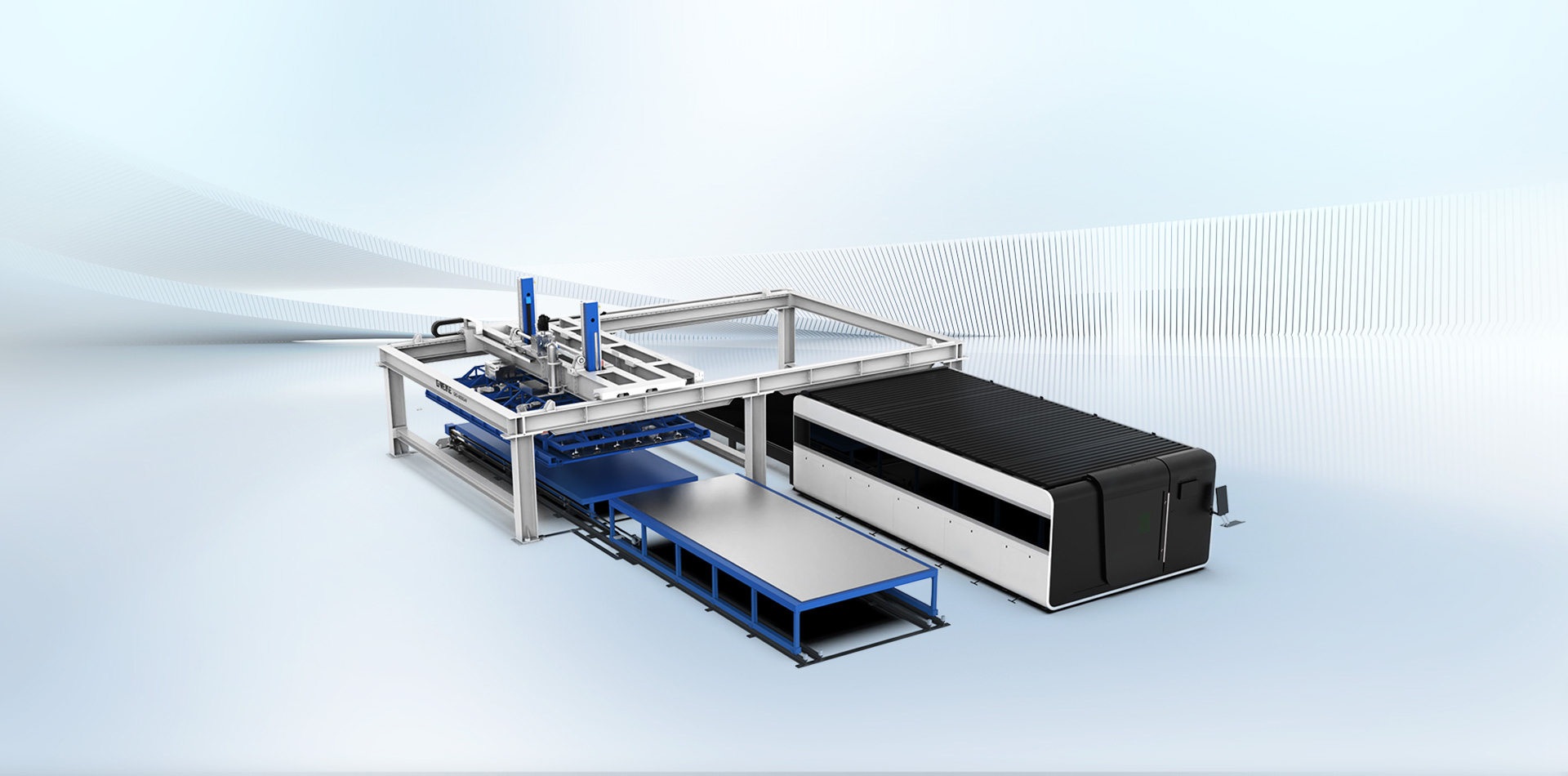
Fully Automatic Loading and Unloading

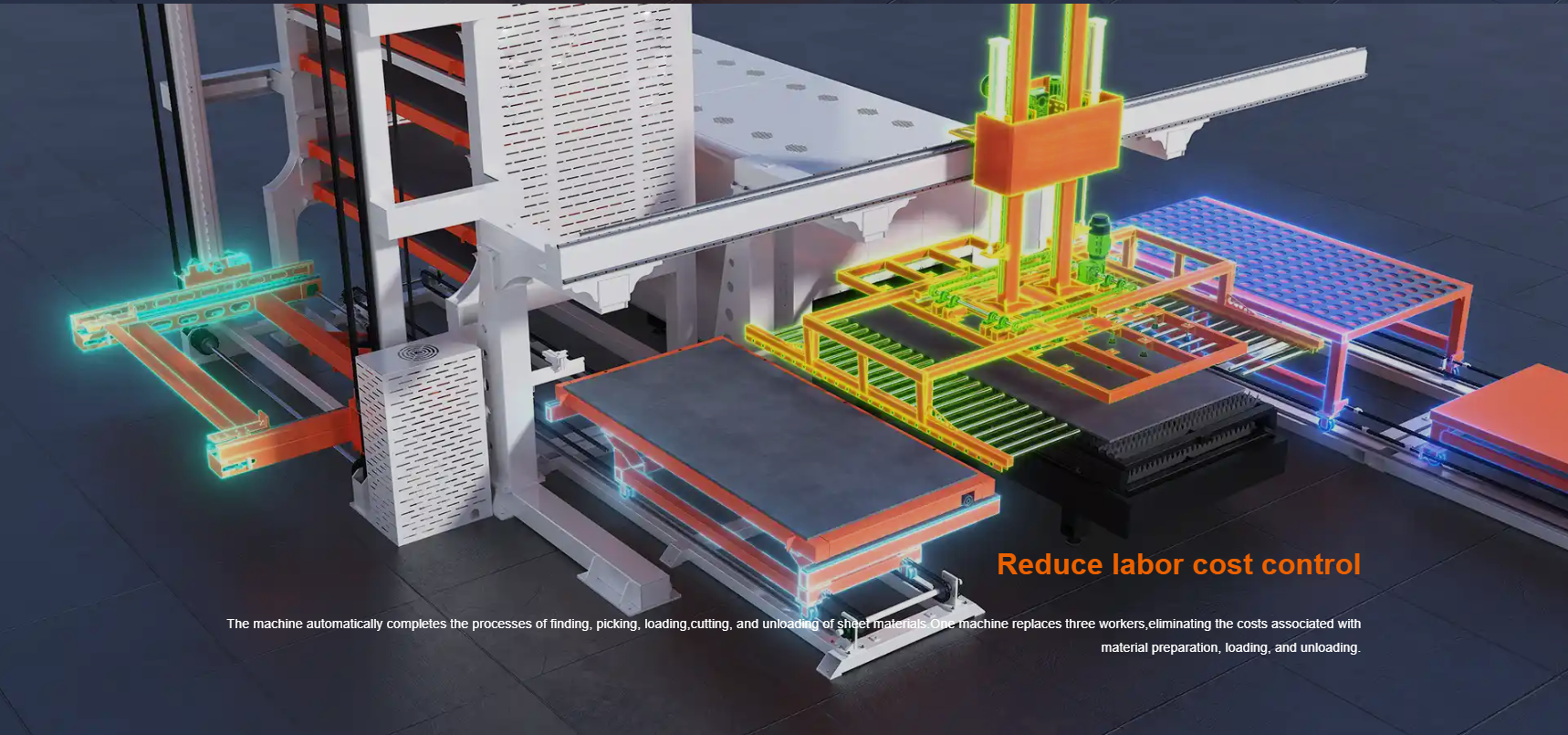
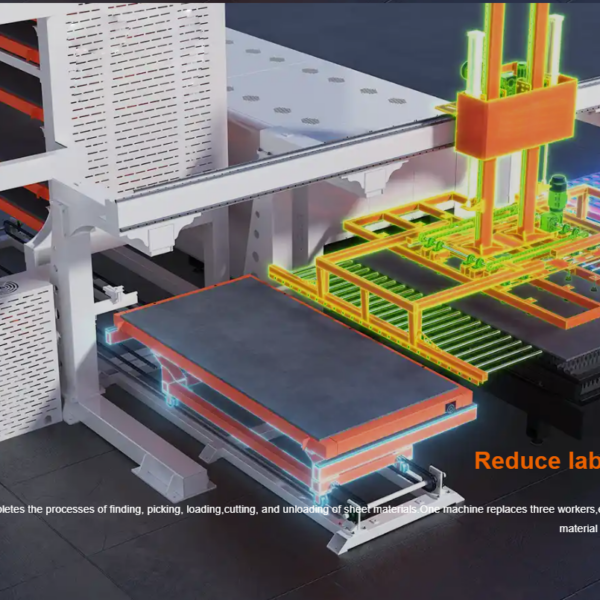
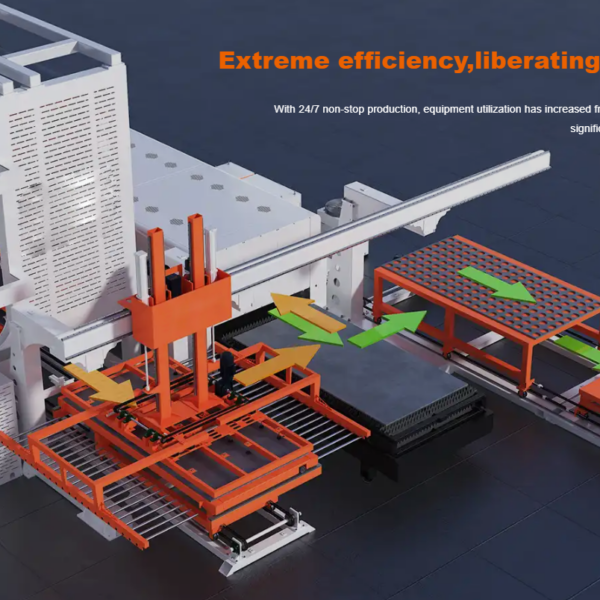
Fully automatic systems handle the entire process of loading raw materials and unloading finished parts without human intervention. These systems are equipped with advanced technologies such as robotic arms, conveyors, and sensors to achieve high levels of automation:

Maximized Productivity:    Fully automatic systems can operate continuously, significantly increasing the throughput of the laser cutting machine.
Consistency and Precision: Automation ensures consistent handling of materials, maintaining high-quality standards and reducing the risk of errors.
Labor Cost Savings: By eliminating the need for manual labor, fully automatic systems reduce labor costs and allow operators to focus on other value-added tasks.
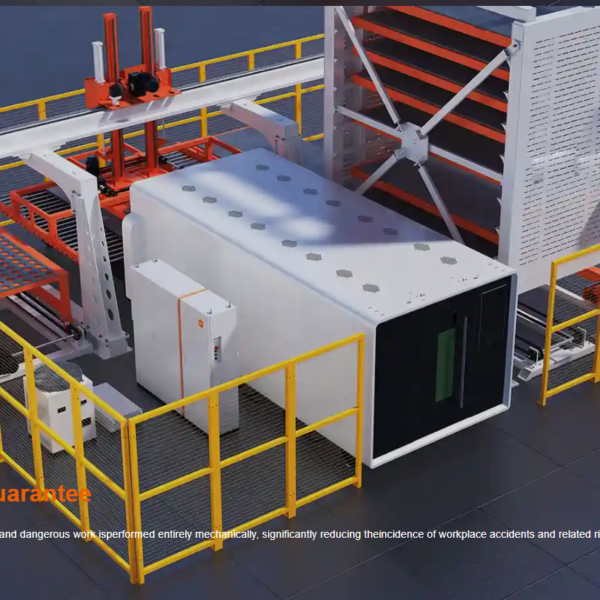
Safety: Fully automated systems enhance safety by minimizing human interaction with the machinery and materials.
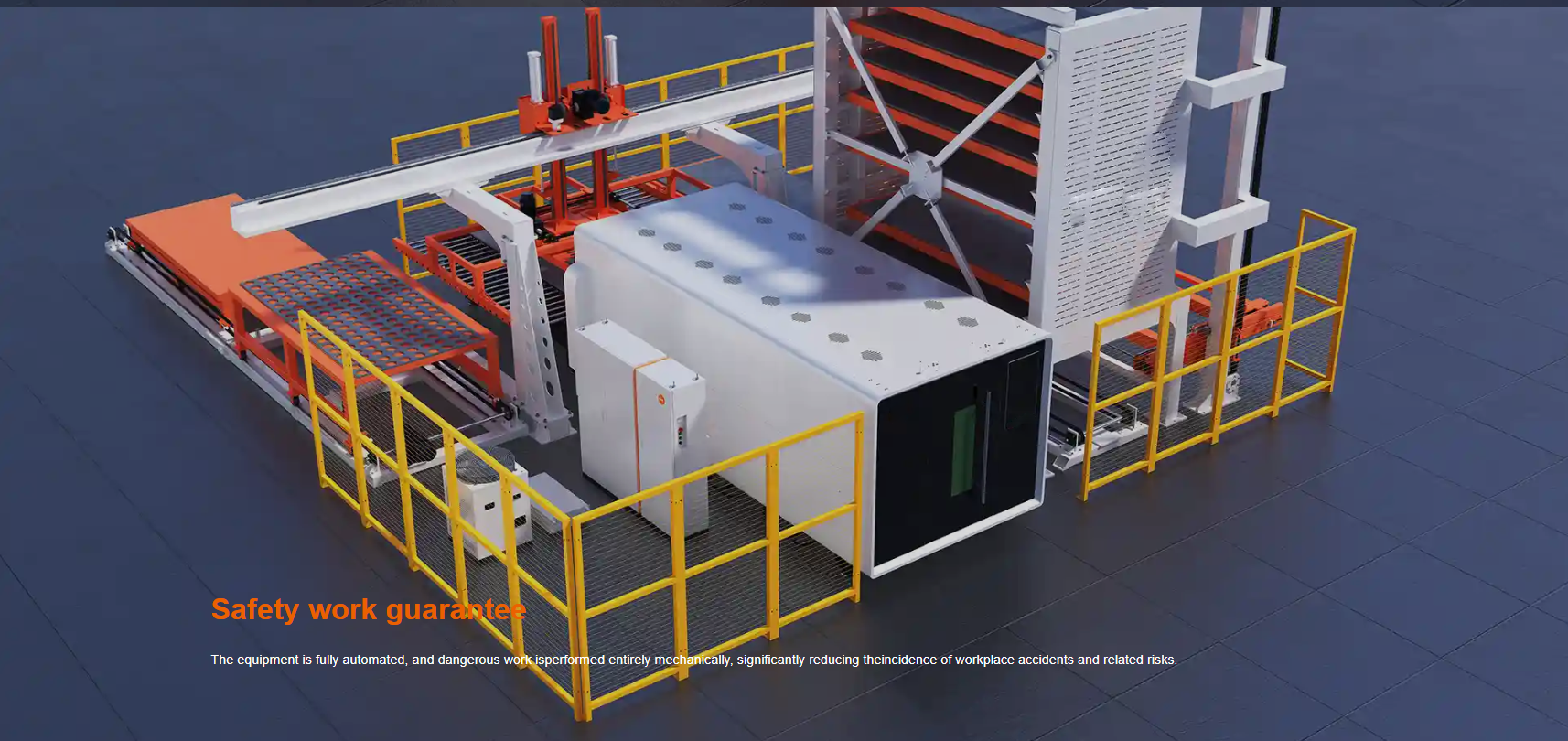
Components of Metal Automation Loading and Unloading System
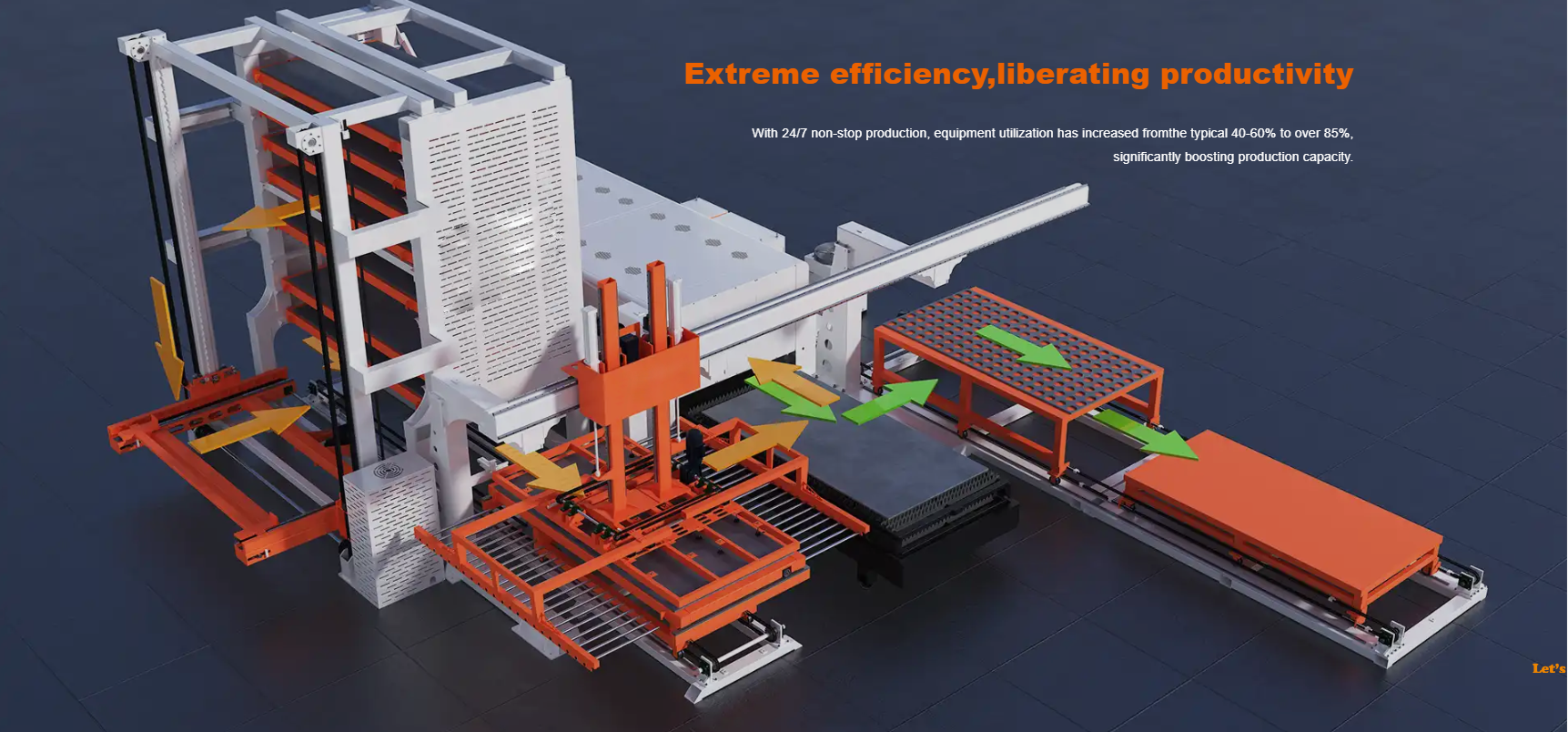
1.) Material Storage

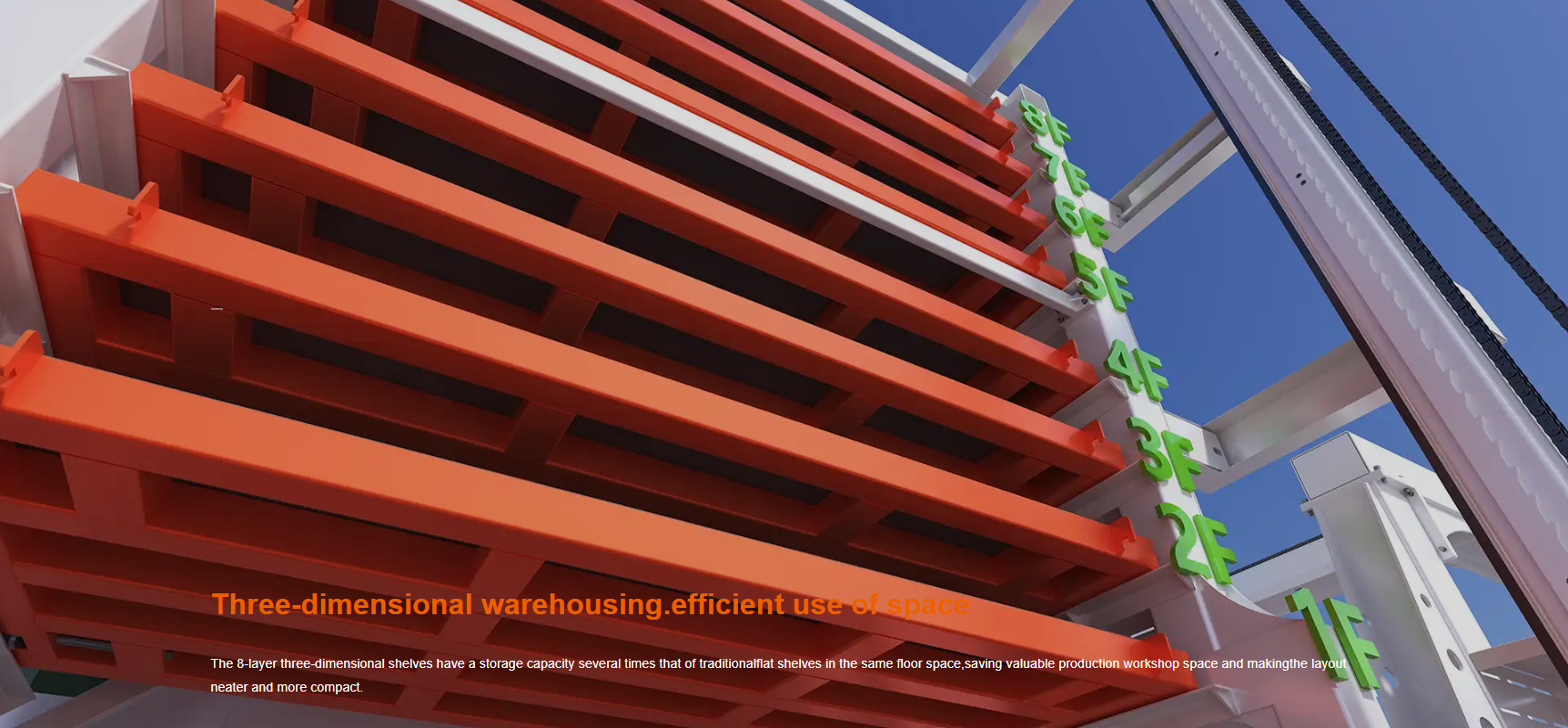
Metal automation loading and unloading system has the metal storage system. It has the simple metal palletizing platform or it can connect with the metal automatic storage system. Material storage systems are used to organize and store raw materials in a manner that facilitates easy access and handling. These systems can be simple racks or advanced automated storage and retrieval systems (AS/RS) that integrate with the laser cutting machine.

Racks and Shelving: Basic storage solutions that allow operators to manually retrieve materials.
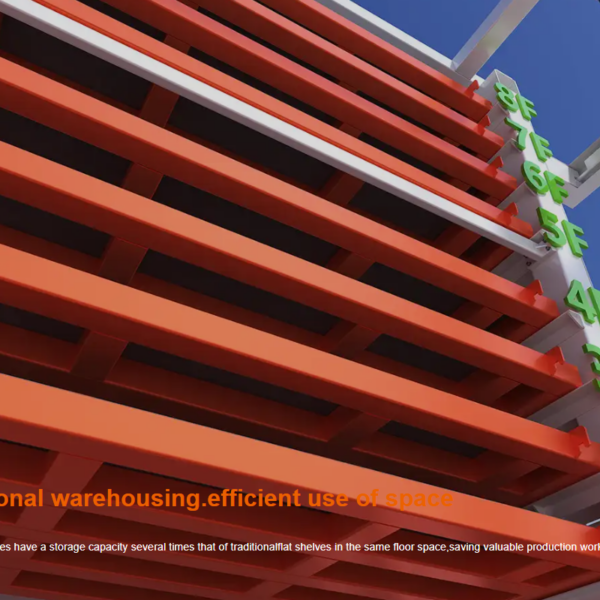
Automated Storage and Retrieval Systems (AS/RS): Advanced systems that automatically store and retrieve materials based on production requirements, optimizing space and efficiency.

2. )Material Handling Equipment

Material handling equipment is essential for transporting raw materials from storage to the laser cutting machine and for moving finished parts to their next destination. Common types of material handling equipment include:

Conveyors: Belt or roller conveyors transport materials between different stages of the laser cutting process.
Robotic Arms: Robotic arms equipped with grippers or vacuum suction devices handle materials with precision, enabling automated loading and unloading.
Cranes and Hoists: Used for lifting and moving heavy materials, particularly in large-scale manufacturing environments.

3. )Loaders and Unloaders

Loaders and unloaders are specialized machines designed to automate the process of placing raw materials onto the laser cutting machine and removing finished parts. These systems can be integrated with other automation equipment to create a seamless material handling process.

Sheet Loaders: Automatically load sheets of material onto the laser cutting machine, reducing manual effort and increasing efficiency.
Part Unloaders: Automatically remove finished parts from the cutting bed, ensuring smooth and continuous operation.

4. Control Systems

Control systems manage the operation of loading and unloading equipment, ensuring precise and coordinated movement of materials. These systems can be standalone or integrated with the laser cutting machine’s CNC control.

Programmable Logic Controllers (PLCs): PLCs are used to control the sequence of operations in automated systems, ensuring accurate and reliable performance.
Human-Machine Interfaces (HMIs): HMIs provide operators with a user-friendly interface to monitor and control the loading and unloading process.

Benefits of Automated Loading and Unloading Systems

1. Enhanced Productivity

Automated metal sheet loading unloading system significantly reduces the time required for loading and unloading materials, allowing the laser cutting machine to operate continuously. This increased productivity translates into higher throughput and faster turnaround times.

2. Labor Cost Savings

By automating material handling processes, manufacturers can reduce the reliance on manual labor. This not only lowers labor costs but also minimizes the risk of human error, ensuring consistent and high-quality production.

3. Improved Safety

Automated loading and unloading systems enhance workplace safety by reducing the need for human interaction with heavy and potentially hazardous materials. This minimizes the risk of accidents and injuries, creating a safer working environment.

4. Consistency and Quality

Automation ensures consistent handling of materials, which is crucial for maintaining high-quality standards in the laser cutting process. Automated systems can precisely position materials, reducing the likelihood of misalignment and ensuring accurate cuts.

5. Space Optimization

Advanced storage and retrieval systems can optimize the use of available space, allowing manufacturers to store more materials in a smaller footprint. This is particularly beneficial in environments with limited space.

6. Flexibility

Automated systems can be programmed to handle different types of materials and part sizes, providing flexibility in production. This adaptability is essential for manufacturers that produce a variety of products or frequently change production runs.

Case Studies

1. Automotive Manufacturer

An automotive manufacturer implemented a fully automated loading and unloading system for their laser cutting machines. The system included robotic arms, conveyors, and an advanced storage and retrieval system. The result was a 40% increase in productivity, a 30% reduction in labor costs, and improved safety for operators.

2. Aerospace Component Supplier

A supplier of aerospace components integrated automated loading and unloading systems with their laser cutting machines. The systems were equipped with sensors and AI algorithms for real-time monitoring and optimization. This integration led to a 50% reduction in setup times, a 25% increase in production throughput, and enhanced quality control.

3. Electronics Manufacturer

An electronics manufacturer adopted a semi-automatic loading and unloading system for their laser cutting operations. The system featured automated tool changers and conveyors for material handling. The implementation resulted in a 35% reduction in material handling time, improved accuracy, and consistent quality in the production of electronic components.

Points To Consider Before Purchasing

When purchasing a metal automation loading and unloading system, it’s essential to carefully consider various factors to ensure that the system meets your production requirements and long-term needs. Here are key points to evaluate.

1. Material Handling Capabilities

  • Type of Metal: Ensure the system is compatible with the specific metals you work with (e.g., steel, aluminum, etc.).
  • Weight and Size: Confirm the system can handle the weight, size, and thickness of the materials to be processed.
  • Sheet/Part Dimensions: Make sure the system accommodates the range of dimensions your operation requires.

2. Automation Level

  • Manual, Semi-Automated, or Fully Automated: Determine if you need full automation or if a semi-automated system would suffice.
  • Robotics Integration: Assess whether robotic arms or other automated technologies are necessary for your specific application.
  • Workflow Efficiency: Consider how automated the process should be to match your production speed and reduce downtime.

3. Capacity and Throughput

  • Loading/Unloading Speed: Verify that the system can handle the throughput required to match your production pace.
  • Cycle Time: Analyze the cycle times of loading and unloading operations to ensure they align with your overall production timeline.
  • Batch or Continuous Loading: Depending on your production scale, determine whether a batch system or continuous loading system is more appropriate.

4. System Compatibility and Integration

  • CNC/Press Integration: Ensure the system integrates well with your CNC machines, lasers, or other cutting and bending machines.
  • Software Compatibility: Check if the system is compatible with your existing production management software or ERP systems.
  • Automation Controls: Review the user interface and control systems for ease of use and integration with other machines in the workflow.

5. Space and Layout

  • Footprint: Consider the physical space the system will occupy. Verify that it fits into your production area without disrupting workflow.
  • Accessibility: Ensure the system is easily accessible for maintenance, loading raw materials, and unloading finished parts.

6. Customization Options

  • Modular Design: Look for systems with modular configurations that allow for future expansion or customization based on evolving production needs.
  • Tailored Solutions: Check if the supplier offers customization options based on your specific material or operational needs.

7. Safety Features

  • Safety Sensors and Guards: Ensure the system has robust safety mechanisms such as emergency stop buttons, sensors, and physical guards to protect operators.
  • Compliance with Standards: Verify that the system complies with local and international safety standards, such as ISO or OSHA regulations.

8. Cost and ROI

  • Initial Cost: Analyze the upfront investment and compare it with the expected benefits, such as increased productivity or reduced labor costs.
  • Maintenance Costs: Consider the long-term maintenance costs and spare parts availability.
  • Return on Investment: Calculate the system’s ROI based on its ability to reduce labor, increase efficiency, or handle more complex tasks.

9. Maintenance and Support

  • Service Contracts: Evaluate the warranty and service support provided by the manufacturer.
  • Maintenance Requirements: Check how easy it is to maintain the system, the availability of spare parts, and the frequency of required maintenance.
  • Training and Installation: Ensure that the supplier offers adequate training for your team and provides support during installation and setup.

10. Vendor Reputation and References

  • Supplier Experience: Look into the vendor’s experience in providing automation systems for your industry.
  • Customer Reviews: Consider asking for references from current users of the system to assess reliability and performance in real-world applications.
  • After-Sales Support: Assess the quality of after-sales service, including technical support, response time, and availability of replacement parts.

11. Environmental Impact

  • Energy Consumption: Analyze the system’s energy efficiency to keep operational costs low and minimize environmental impact.
  • Noise Levels: Consider noise reduction features if your production environment has noise level constraints.

Evaluating these factors carefully will help you select a system that fits your production requirements, boosts efficiency, and provides long-term value.

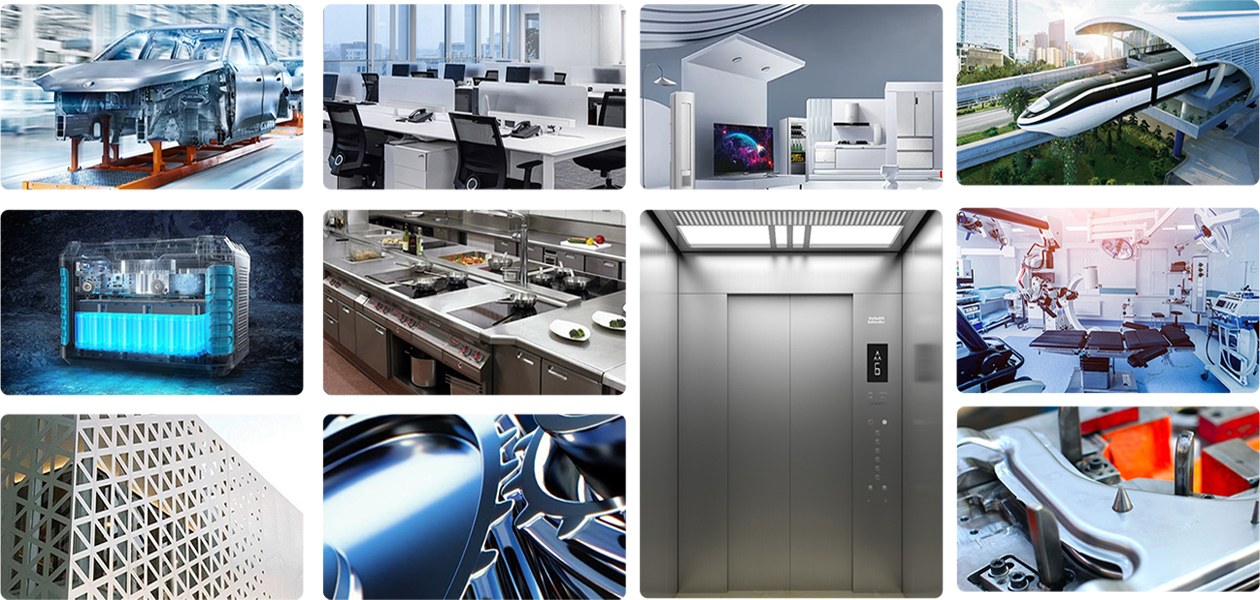
Application Industrial

Automotive manufacturing, office furniture, electrical industry, chassis cabinets, elevator manufacturing, kitchenware, decorative curtain walls, machinery manufacturing, mold industry, rail transportation, medical equipment, office furniture
Get the latest price? We will reply as soon as possible (within 12 hours)

滚动至顶部